
Historical article . References to tools and versions reflect the time of publication.
Even among a wide range of competitors offering similar functionality, WordPress continues to dominate the CMS market with a 21.9% market share.
In this article we will explore the future of WordPress, so it is important to assess current practices and trends in WordPress, among its users and in the CMS industry in general.
The following are purely personal predictions and opinions about the future of WordPress:
– Adapting WordPress to the needs of the times
In recent years, demand for advanced features has increased as more and more developers use WordPress to build mobile applications and complex e-commerce websites.
WordPress can already offer many solutions for such advanced uses. However, web trends will significantly influence its core in the coming years, and continued demand for new features will increase the development of plugins and visual improvements.
– WordPress as a backend for mobile applications
The rise in smartphone use is tremendous. We live in the age of mobility, with 58% of US adults owning at least one smartphone, according to the Pew Research Internet Project.
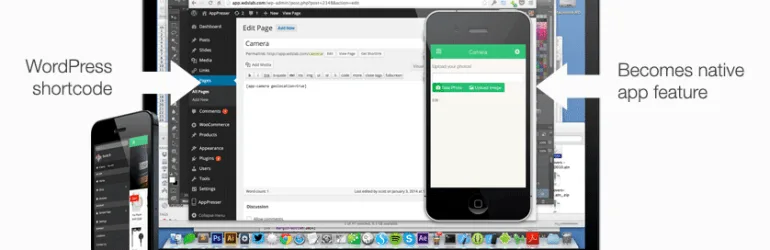
Emerging solutions such as the AppPresser plugin, a finalist in the “About to Break competition” at MacWorld 2014, allow users to build mobile applications using WordPress.
The current consumer trend towards mobile browsing is an opportunity for WordPress to gain an even larger share of the CMS market.
By integrating an API for RESTful applications into WordPress, the platform could support all mobile applications.
– WordPress as a development framework
The WordPress team has placed great emphasis on providing the best possible user experience. In my opinion, it has succeeded brilliantly.
Looking ahead, I believe it will focus on developing WordPress into a complete CMS/application framework.
At present, WordPress works wonderfully as a publishing platform, as demonstrated by its use by leading news outlets, online magazines and so on.
Time magazine, CNN, Forbes.com, Wired and TechCrunch are just a few examples of websites based on WordPress.
There are also more complex use cases, such as online shops, mobile application development, heavily customised websites and websites with custom functionality.
The next step is to develop the platform to make it easier for developers to adapt it to a project's needs. For example, while it may not currently be impossible to turn a WordPress content publishing platform into a buying and selling platform, the WordPress team has not made developers' lives easy in such a scenario, forcing them to spend many hours developing from scratch.
– Where WordPress does not need to change
The recent years of success have demonstrated in practice the knowledge, experience and passion within the WordPress community.
Together, developers and users, each in our own way, have achieved great things for WordPress. Following the impressive leaps of recent years, WordPress now ranks as the most popular web platform worldwide.
The WordPress community has played, plays and will continue to play a major role in the platform's ongoing development, ensuring it fits the needs of users and the times as closely as possible at any given moment.